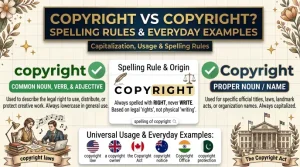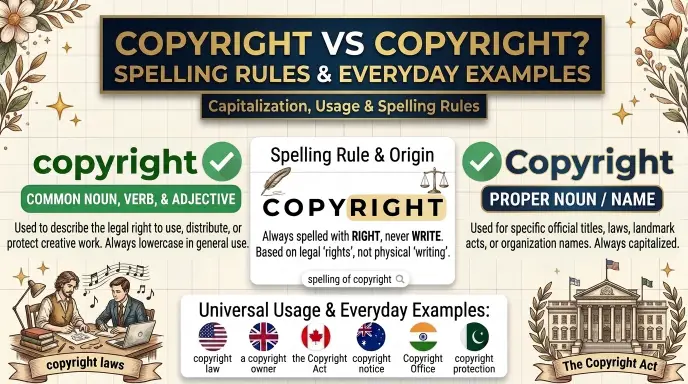
Copyright or copyright? These two words look almost the same, but they have very different meanings
. Many people mix them up when writing emails, creating website content, or discussing legal rights. If you have ever wondered whether to write copyright or copyright, you are not alone.
The correct word depends on what you want to say. Copyright refers to the legal rights that protect creative work.
It can protect books, music, photos, videos, and other original content. Copyright, on the other hand, is a verb. It means to write text for advertising, marketing, or sales.
This small spelling difference can change the meaning of a whole sentence. It can also make your writing look less professional.
That is why students, bloggers, writers, and business owners often search for copyright or copyright.
In this guide, you will learn the meaning of both words. You will also see their origins, correct usage, and common mistakes. Simple examples will help you choose the right word every time.
Copyright or Copyright :Quick Answer
Copyright is the correct word when you mean legal protection for creative work.
Copywrite is a rare verb that means writing advertising or marketing text. However, people usually say write a copy instead.
Here is the simple difference:
- Copyright: Legal ownership and protection of original creative work.
- Copywrite: To create written content for advertising or marketing.
- Copywriter: A person who writes advertising or sales content.
- Copyrighted: Something protected by copyright law.
Examples:
- The author owns the copyright to her book.
- I need to write a copy for a new website.
- The company hired a copywriter for its ads.
- This photo is copyrighted and cannot be used without permission.
Remember: Use copyright for legal protection. Use write copy when talking about advertising content.
The Origin of Copyright or Copyright
The words copywrite and copyright have different backgrounds. Their similar sounds often cause confusion, but their meanings are not the same.
The Origin of Copyright
The word copyright comes from two English words: copy and right.
- Copy: A written, printed, or reproduced work.
- Right: A legal power or permission.
Together, these words describe the legal rights that protect creative work.
Copyright developed with the growth of printing and publishing. Writers and publishers needed protection against unauthorized copying.
Over time, copyright laws gave creators control over how their work could be copied and shared.
Today, copyright can protect books, songs, films, photographs, artwork, and other original works.
The Origin of Copyright
The word copywrite comes from the word copywriter. It developed as a verb related to the work of writing advertising text.
A copywriter creates words that help sell products, promote services, or attract customers.
However, copyright is much less common than writing copy. Most professional writers use the phrase write copy instead.
Why Do People Confuse These Words?
There are three main reasons:
- Similar pronunciation: Both words sound almost the same.
- Similar spelling: Both contain the letters “copy” and an ending that sounds like “right.”
- Related writing topics: Both words appear in discussions about books, websites, advertising, and creative content.
The key is to understand the meaning before choosing the word.
British English vs American English Spelling
There is no spelling difference between British and American English for copyright.
Both countries use the same spelling. The word copyright also has the same spelling in both forms of English when used as a rare verb.
The difference is not regional. It is based on meaning and usage.
Spelling Comparison Table
| Word or phrase | British English | American English |
| Copyright | Copyright | Copyright |
| Copywrite | Copywrite | Copywrite |
| Copywriter | Copywriter | Copywriter |
| Copyrighted | Copyrighted | Copyrighted |
| Copyrighting | Copyrighting | Copyrighting |
| Write copy | Write copy | Write copy |
Examples in British English
- The artist owns the copyright to her painting.
- Our company needs someone to write a copy for its website.
- The copywriter created a new advertising campaign.
Examples in American English
- The photographer owns the copyright to this image.
- We need to write a copy for the new product.
- The business hired a copywriter for its marketing team.
Important rule: Neither British nor American English changes copyright to copyright. Always choose the word that matches your intended meaning.
Which Spelling Should You Use?
Your choice depends on what you want to communicate. Both words can appear in English, but they do different jobs.
For American English Readers
Use copyright when discussing ownership, creative rights, or legal protection.
Examples:
- The book is protected by copyright.
- The photographer owns the copyright.
- You cannot use copyrighted music without permission.
Use write copy when discussing advertising or marketing.
For British English Readers
British writers follow the same rule.
Examples:
- The company owns the copyright to its logo.
- She writes copy for online businesses.
- The copywriter prepared a new advertisement.
For Commonwealth Countries
Countries such as Pakistan, India, Australia, and Canada also use copyright.
The spelling remains the same. Writers should write copy for advertising and marketing work.
For Global English
If you write for an international audience, follow these simple rules:
- Use copyright for legal protection.
- Use a copywriter for a person who writes marketing content.
- Use write copy for the act of creating advertising text.
- Avoid using copyright when you mean copyright.
Professional advice: Use copyright in legal documents, website notices, books, and business policies. Use write copy in marketing plans, job descriptions, and creative briefs.
Common Mistakes with Copyright or Copyright
Many writers make mistakes because these words sound alike. Learning their correct forms can make your writing clearer.
Here are some common errors and their corrections.
1. Using Copyright for Legal Protection
Incorrect
This image has copyright protection.
Correct
This image has copyright protection.
Meaning: Copyright protects original creative work under the law.
2. Using Copyright Instead of Copywriter
Incorrect
She works as a copyright for a company.
Correct
She works as a copywriter for a company.
Meaning: A copywriter creates advertising and marketing content.
3. Confusing Copyright with Copywriting
Incorrect
He studies copyright to improve his advertising skills.
Correct
He studies copywriting to improve his advertising skills.
Meaning: Copywriting is the skill of writing persuasive marketing content.
4. Using Copyright as a Noun
Incorrect
The copyright of this book belongs to the author.
Correct
The copyright of this book belongs to the author.
Meaning: Copyright refers to legal rights, not advertising text.
5. Forgetting the Correct Word in Business Writing
Incorrect
Our team will copyright a new advertisement for the website.
Correct
Our team will write a copy for a new advertisement.
Meaning: Writing an advertisement and protecting creative work are two different tasks.
Easy Ways to Remember the Difference
- Copyright = Legal rights.
- Copywriter = Advertising writer.
- Copywriting = Marketing writing.
- Write copy = Create advertising text.
These simple reminders can help you avoid spelling mistakes.
Copyright or Copyright in Everyday Examples
Both terms can appear in professional and everyday writing. However, the correct choice depends on the subject.
1. In Emails
Copyright example:
“Please confirm that we own the copyright to these images.”
Marketing example:
“Please write a copy for our new email campaign.”
2. In News Articles
Copyright example:
“The publisher filed a complaint over the unauthorized use of copyrighted photographs.”
Marketing example:
“The company hired a professional copywriter to create its new advertising campaign.”
3. On Social Media
Copyright example:
“Please respect the copyright of original photographs.”
Marketing example:
“We need a fresh copy for our next social media campaign.”
4. In Formal Writing
Copyright example:
“All copyright rights related to this publication remain with the original creator.”
Marketing example:
“The marketing department will write copy for the company’s upcoming product launch.”
5. In Business Documents
Copyright example:
“The company owns the copyright to its original training materials.”
Marketing example:
“The copywriter will prepare product descriptions for the online store.”
6. In Website Content
Copyright example:
“Copyright © 2026. All rights reserved.”
Marketing example:
“Our team writes copy for landing pages, product pages, and advertisements.”
These examples show why the words should not be used as replacements for each other.
Copyright or Copyright :Google Trends & Usage Data
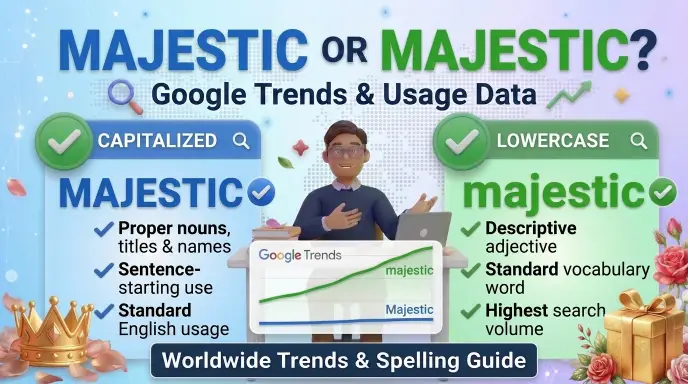
People search for copywrite or copyright because the two words sound alike. They also appear in similar writing and business topics.
However, their search intent is different.
Copyright Search Interest
The word copyright is used in many professional and legal topics.
People may search for it when they want to learn about:
- Copyright laws and rules.
- Copyright protection for images.
- Copyright ownership of books.
- Copyright rules for YouTube videos.
- Copyright-free music and content.
These searches often come from students, business owners, artists, bloggers, and content creators.
Copyright Search Interest
The word copyright is often searched by people who are unsure about its spelling or meaning.
Some users may also use it when searching for:
- Copywriting jobs.
- Advertising writing skills.
- Website content creation.
- Marketing and sales writing.
- Professional copywriters.
However, copywriting and copywriter are more useful search terms for this subject.
Which Countries Search for These Words?
English-speaking markets and countries with large English-language audiences may show interest in these terms.
Examples include:
- United States: Copyright law, online content, and marketing.
- United Kingdom: Copyright protection and professional writing.
- Canada: Copyright rules and creative ownership.
- Australia: Copyright law and digital publishing.
- India: Copyright questions and content marketing.
- Pakistan: English spelling questions, copyright, and online writing.
These are relevant search markets, not a verified ranking of search volume.
How to Check Actual Google Trends Data
You can compare both search terms using Google Trends.
Choose the same country and time range for both terms. Then compare their search interest.
Important: Google Trends uses a normalized scale from 0 to 100. These numbers show relative interest, not exact search counts. Low-volume searches may also appear as zero.
Trends Help+1
For this keyword, compare copywrite, copyright, copywriting, and copywriter separately. This gives a clearer picture of spelling confusion and professional search intent.
Copyright vs Copyright :Comparison Table
The following table gives a quick overview of both words and their related forms.
| Word | Meaning | Correct Usage |
| Copyright | Legal protection for creative work | Copyright protects books. |
| Copywrite | Rare verb for writing advertising text | They copywrite advertisements. |
| Copywriter | Person who writes marketing content | She is a copywriter. |
| Copywriting | Writing persuasive advertising content | Copywriting helps promote products. |
| Copyrighted | Protected by copyright | This image is copyrighted. |
| Copyrighting | The act of securing copyright | Copyrighting creative work. |
| Write copy | Create advertising text | I write copy for websites. |
Key takeaway: Copyright is about legal rights. Copywriting is about creating words that sell.
Frequently Asked Questions
1. Is it copyright or copyright?
Copyright is correct when discussing legal protection for creative work. Copyright is a rare verb related to writing advertising text. Most people use write copy instead.
2. What does copyright mean?
Copyright means the legal rights that protect original creative work. It gives creators certain rights over how their work is used and shared.
3. Is copyright a real word?
Yes, copyright exists as a rare verb. It means writing advertising or marketing text. However, writing a copy is more common in professional English.
4. What is a copywriter?
A copywriter is someone who writes advertising and marketing content. They may create website text, product descriptions, emails, and advertisements.
5. Is copyright the same in British and American English?
Yes. Both British and American English use the spelling copyright. There is no regional spelling difference.
6. Should I use copyright or copywriting?
Use copyright when discussing legal protection for creative work. Use copywriting when discussing the skill of writing marketing content.
Examples:
- The artist owns the copyright.
- She works in copywriting.
7. What is the difference between copyright and copywriting?
Copyright protects original creative work through legal rights. Copywriting is the process of writing persuasive content for advertising and marketing.
8. How do you remember the difference between copyright and copyright?
Remember these simple rules:
- Copyright means legal protection.
- Copywriter means an advertising writer.
- Copywriting means marketing writing.
- Write copy means creating advertising text.
These reminders make the difference easy to understand.
Conclusion
Choosing between copyright or copyright becomes easy when you understand their meanings. Both words sound similar, but they serve different purposes
. Copyright is the correct word for legal protection of original creative work. It applies to books, music, photographs, videos, and other creative content.
Copywrite is a rare verb related to writing advertising text. However, most professional writers prefer the phrase write copy
. The related words copywriter and copywriting are widely used in marketing and advertising.
There is no difference between British and American spelling for these words. Writers in the United States, United Kingdom, Canada, Australia, Pakistan, and other English-speaking countries follow the same basic rules.
Before choosing a word, think about your message. Are you discussing legal ownership or advertising content? Use copyright for legal rights and write copy for marketing work.
Remembering this simple difference will improve your spelling and make your writing more professional. Always choose the word that matches your meaning.
Discover More Articles!
Present or Present: Spelling Rules, Differences, and Examples

I’m Michaelswal, an English grammar enthusiast passionate about helping people improve their writing and communication skills. I share simple, clear, and practical grammar tips to make learning English easier and more enjoyable.